Onaseal manufactures standard D, P, E, U-channel and bulb-style rubber extrusion profiles, plus custom EPDM, TPV, TPE and silicone sections developed from drawings, samples or application requirements.
Need a custom section? Review our custom EPDM extrusion process or prepare dimensions with the profile measurement guide.
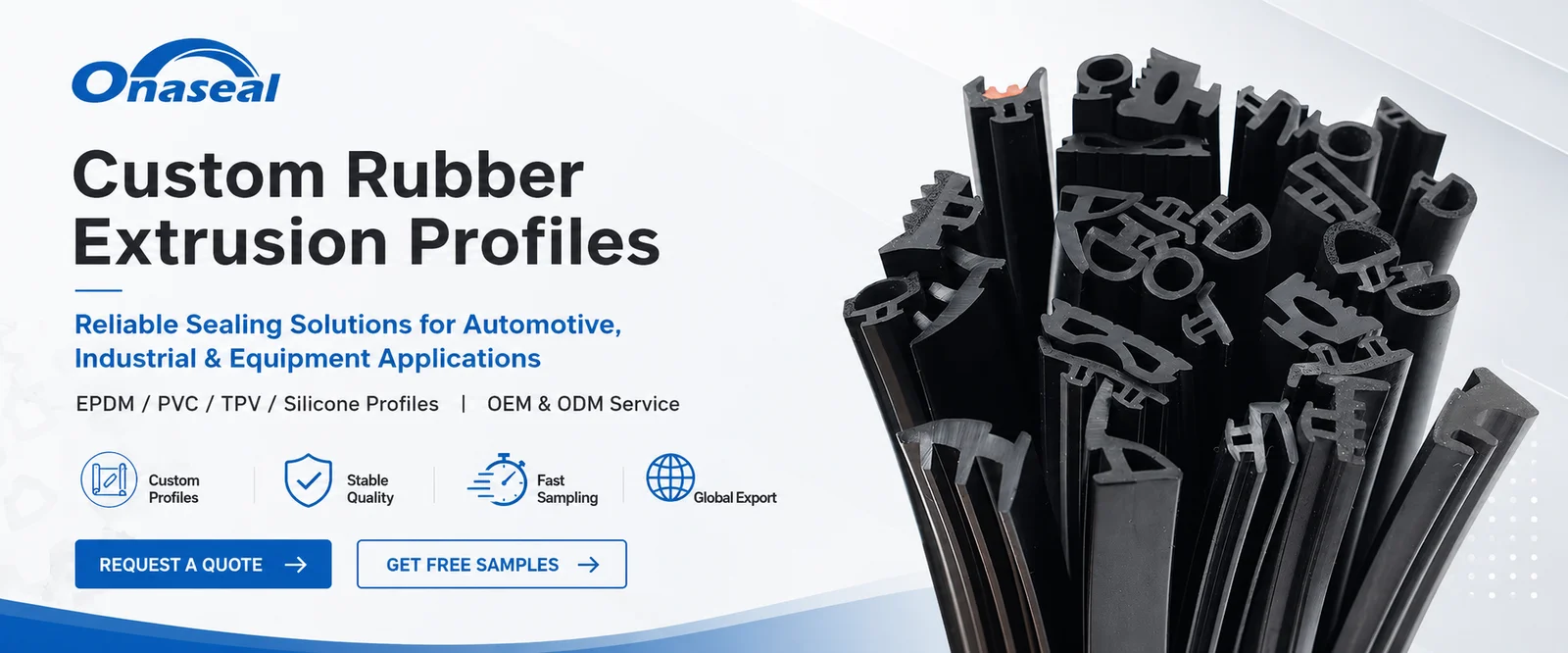
Rubber extrusion profiles are continuous sealing sections formed through a shaped die, then supplied as coils, cut lengths or application-specific finished parts. Standard sections can suit established channels and gaps; custom EPDM, TPV, TPE or silicone profiles are considered when the fit, compression, environment or assembly method requires a project-specific geometry.
Onaseal supports drawing-based development and sample matching for B2B customers. Use the profile measurement guide to record section dimensions, then confirm material, tolerances and acceptance checks before tooling or production.
| Material | EPDM / TPV / TPE / Silicone / Sponge Rubber — see our EPDM vs silicone material comparison |
| Hardness | Custom Shore A according to application |
| Color | Black, grey, white or custom color |
| Surface | Smooth, textured or application-specific |
| Development | Drawing / sample / application based customization |
| MOQ | Depends on profile size, material and tooling requirements |
Start with a standard profile when its dimensions and compression suit the assembly; use a custom extrusion when geometry, material or secondary operations require a project-specific solution.
A standard shape is a starting geometry, not a stock guarantee. A D, P, E, U-channel or bulb profile still needs a confirmed section drawing, dimensions, material and installation fit. Existing tooling, profile availability, minimum order quantity and delivery terms are reviewed for the requested specification.
For custom rubber profiles, send the cross-section and identify which dimensions or installation features differ from the reference shape. Confirm the drawing, applicable tooling and trial-sample requirements before production.
For extruded EPDM profiles developed from a drawing or sample, use the dedicated manufacturing page to review the application inputs and development process. For a broader material comparison, see the specification review below.
D, P, E, bulb, channel and edge profiles provide practical starting points for common gaps, flanges and sealing positions.
Confirm overall width and height, bulb diameter, wall thickness, flange range, working gap and target compression.
EPDM, sponge rubber, TPE, TPV or silicone should be selected around weather, temperature, chemical and durability requirements.
Send a drawing or physical sample when a standard profile cannot achieve the required fit, sealing force or installation method.
Polymer family alone does not define performance. Specify the grade, hardness, service environment and test method required for the application.
| Material family | Common reason to evaluate | Items to confirm |
|---|---|---|
| EPDM | Outdoor weathering, water and general sealing | Grade, hardness, compression behavior, temperature and fluid exposure |
| TPV / TPE | Thermoplastic processing, recyclable trim or multi-material concepts | Grade, set behavior, surface finish, bonding and service environment |
| Silicone | Temperature range, flexibility or application-specific cleanliness | Grade, cure system, hardness, color and regulatory/testing requirements |
| Sponge rubber | Low closing force and compression sealing | Cell structure, density, compression-deflection, set and skin/coating |
For dimensional tolerances, identify the applicable drawing requirements or a recognized extrusion standard such as ISO 3302-1. For rubber classification, specify the required line callout or properties rather than relying on a generic material name; ASTM D2000 is one commonly referenced system.
Choose the construction from the functions required across the section. A single profile may need firm retention at the base and soft compression at the sealing contact.
| Construction | Typical reason to use it | Critical approval checks |
|---|---|---|
| Solid rubber | Retention feet, channels, lips and sections needing firmer dimensional support | Hardness, insertion or pull-off force, dimensions and bend behavior |
| Sponge rubber | Compressible bulbs or strips requiring lower closing force | Density, cell structure, compression-deflection, recovery and skin condition |
| Solid plus sponge | Firm mounting base combined with a soft sealing bulb | Interface integrity, orientation, compression and process feasibility |
| Co-extruded or multi-material | Different functional zones, colors or thermoplastic sealing concepts | Material compatibility, bond line, tooling route and validation plan |
| Secondary-finished profile | Adhesive, flocking, coating, punching, joining or cut-to-length supply | Location, adhesion, dimensions, appearance and packaging protection |
Send the drawing with each functional zone identified. Do not specify only the outer profile shape when density, hardness or secondary processing changes across the section.
Develop unique cross-sections based on CAD drawings, real samples or installation photos.
Select EPDM, TPV, TPE, silicone or sponge rubber according to application conditions.
Critical dimensions, tolerance class, sampling method and acceptance criteria are agreed before production.
Provide coils, cut lengths, cartons, labels and export packaging according to order requirements.
Use the detailed RFQ form to attach a CAD drawing, profile photo or specification and provide application, dimensions, material, quantity and packaging requirements.
Profile availability, any sample charges, freight, tooling, MOQ, tolerances and lead time are confirmed after the profile and order scope are reviewed.
A supplied profile can be reviewed as a reference. Provide clear photos, dimensions and an authorized physical sample when available; feasibility and tooling requirements are confirmed separately.
A project-specific section may need new tooling. We first review the drawing or sample against available tooling; any new tooling cost and lead time are confirmed for the approved profile.
A trial sample may be available after tooling, material and commercial terms are confirmed. The approved drawing and agreed inspection points should control production release.
Reference photographs show representative rubber, automotive and U-channel profile geometries; confirm the exact section and dimensions before ordering.
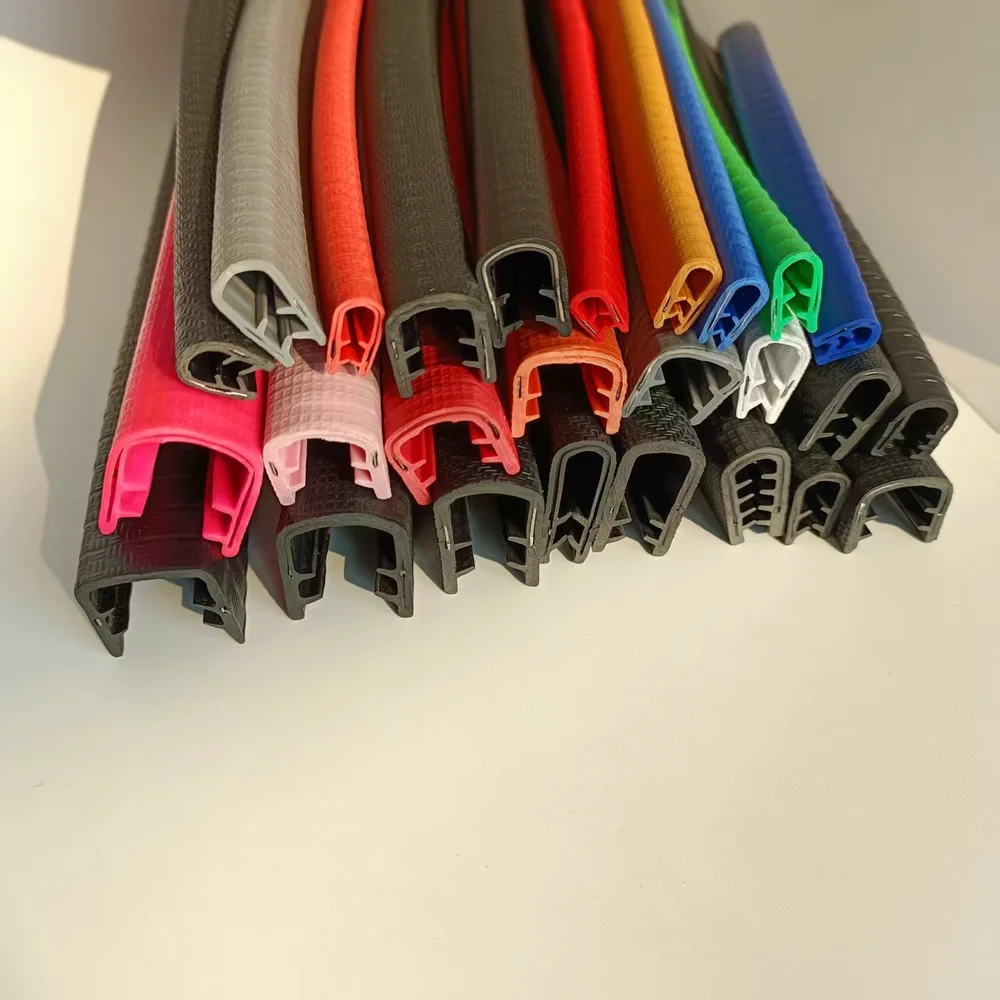
Flexible edge protection strips for automotive, equipment and cabinet applications.
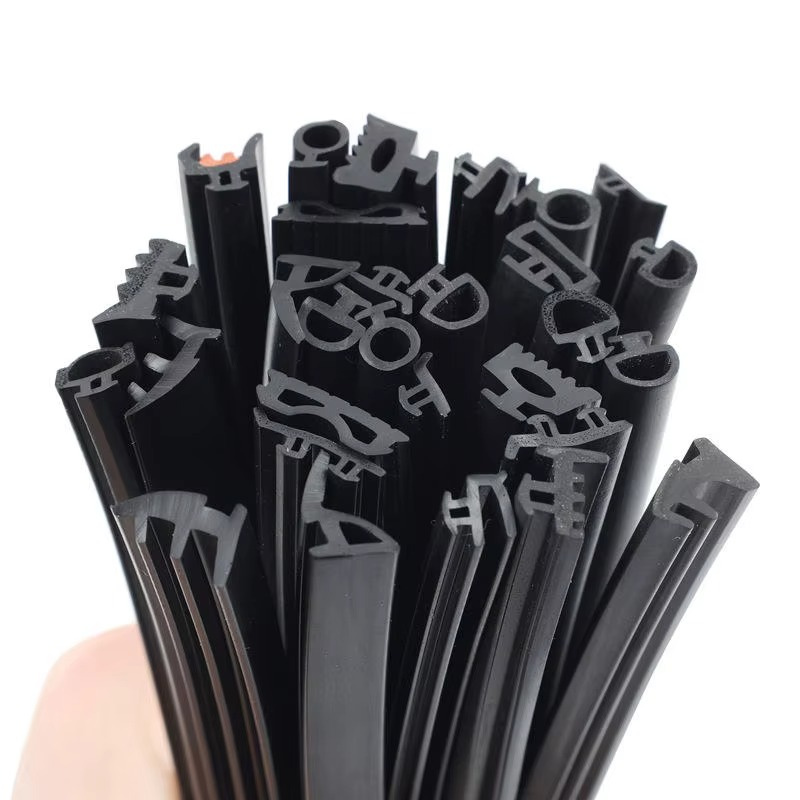
Section-based extrusion solutions for sealing, protection and cushioning functions.
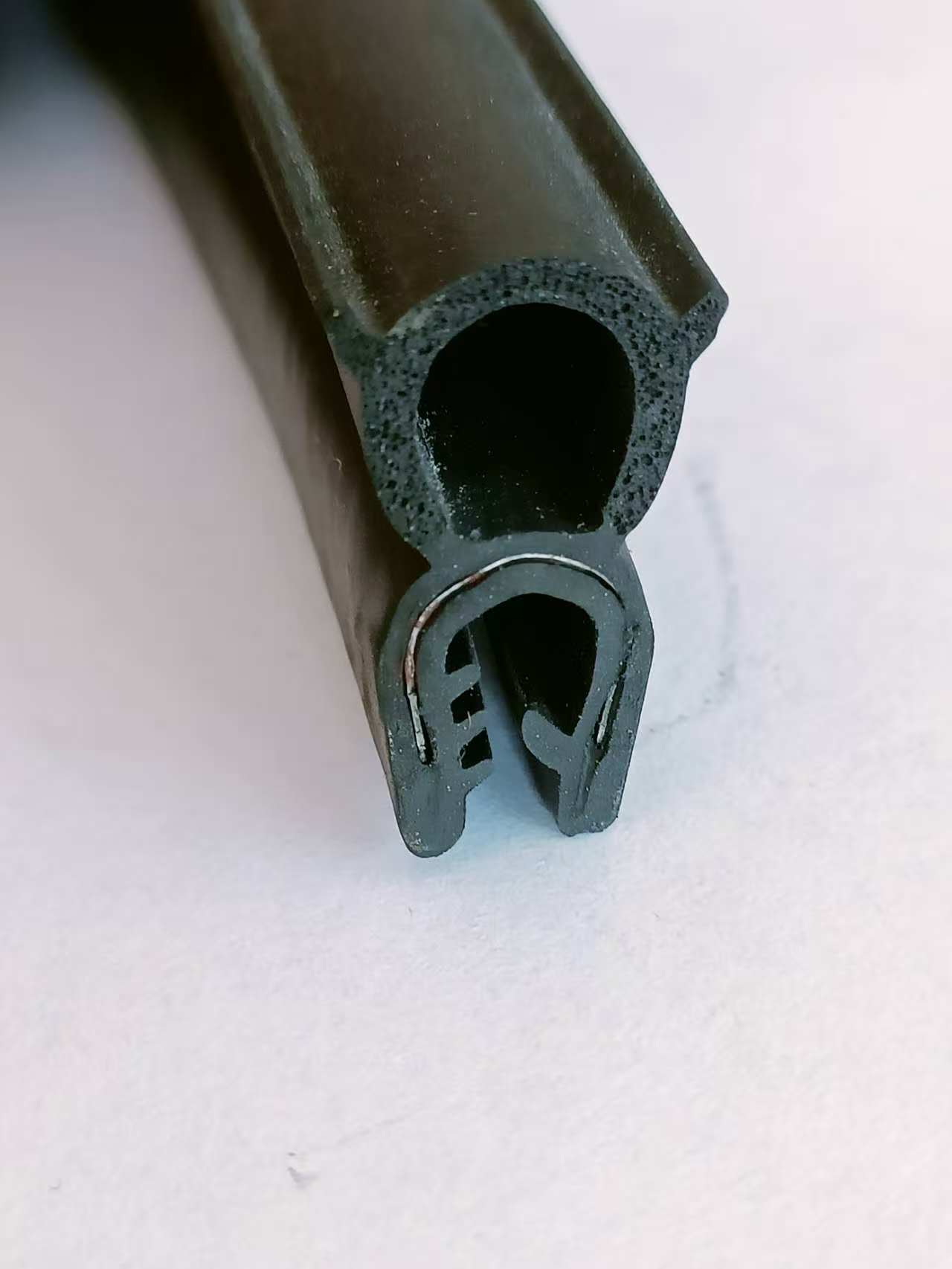
Vehicle sealing systems for doors, trunks, hoods and glass channels.
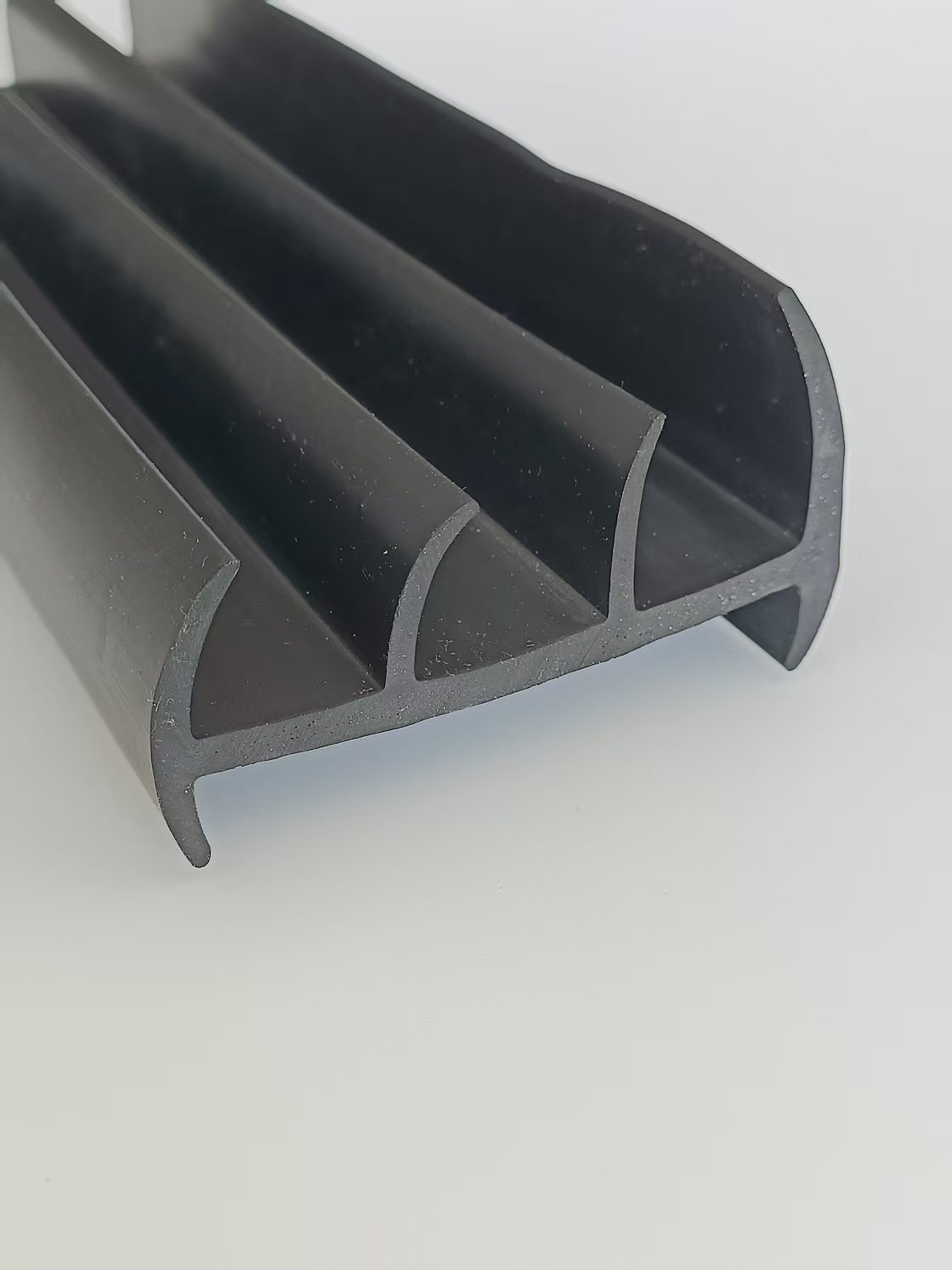
Functional sealing channels for windows and moving glass assemblies.
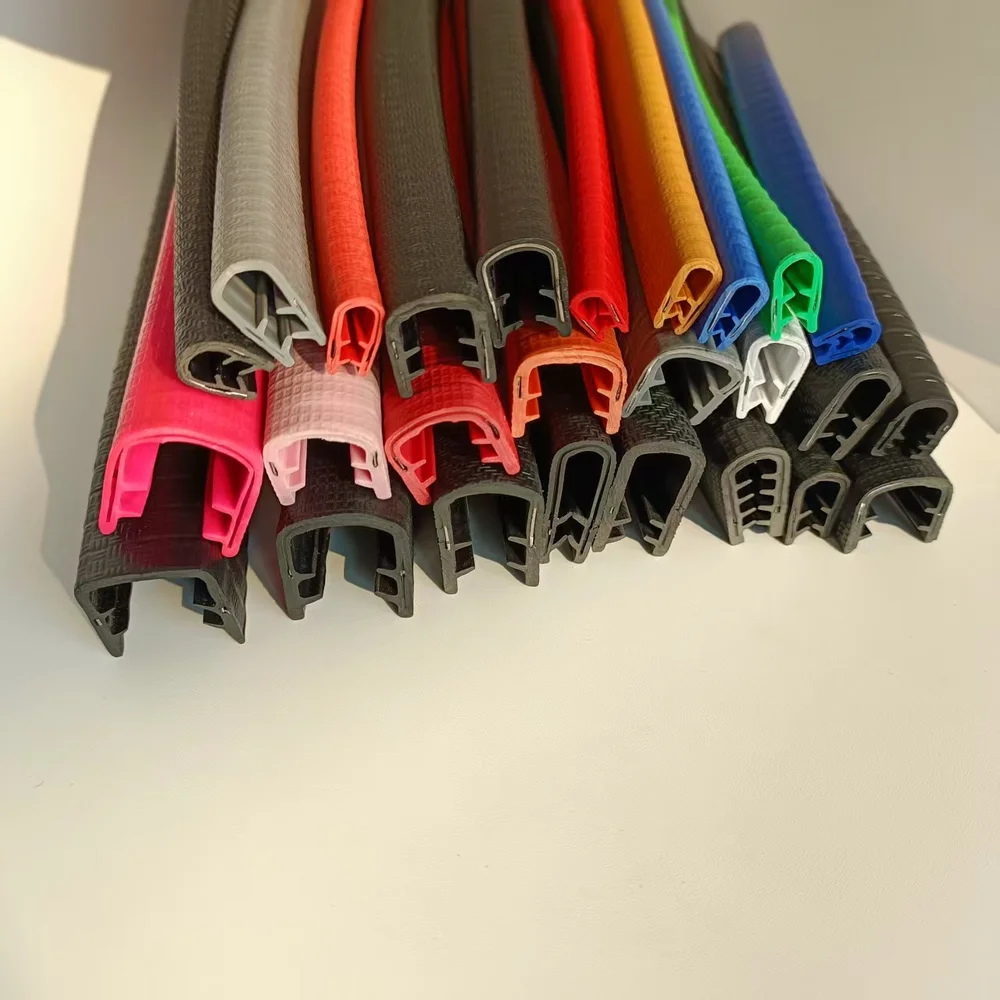
Colorful edge trim and rubber profile collection with unchanged real sections.
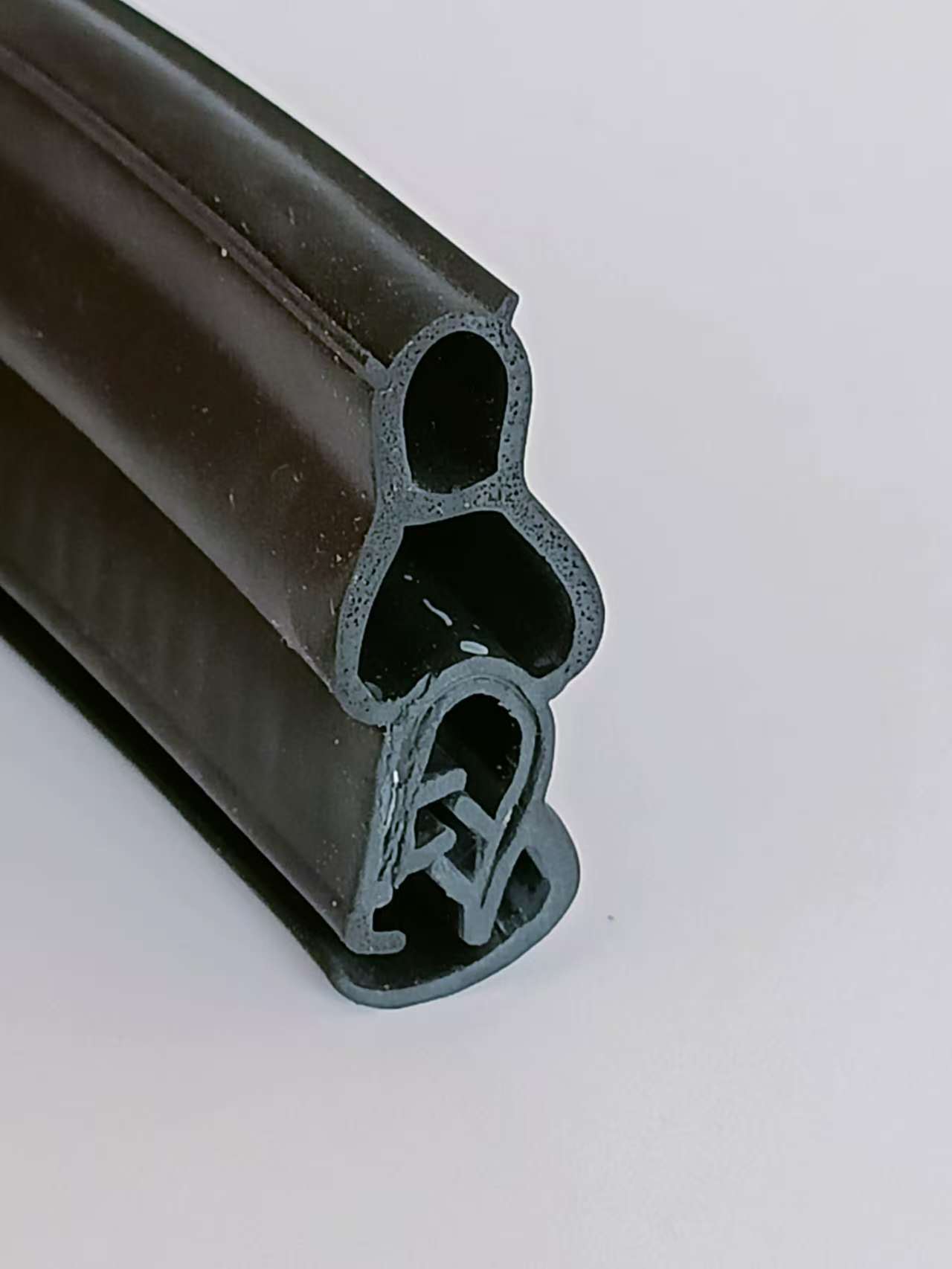
Complex black EPDM automotive sealing profile for vehicle door applications.
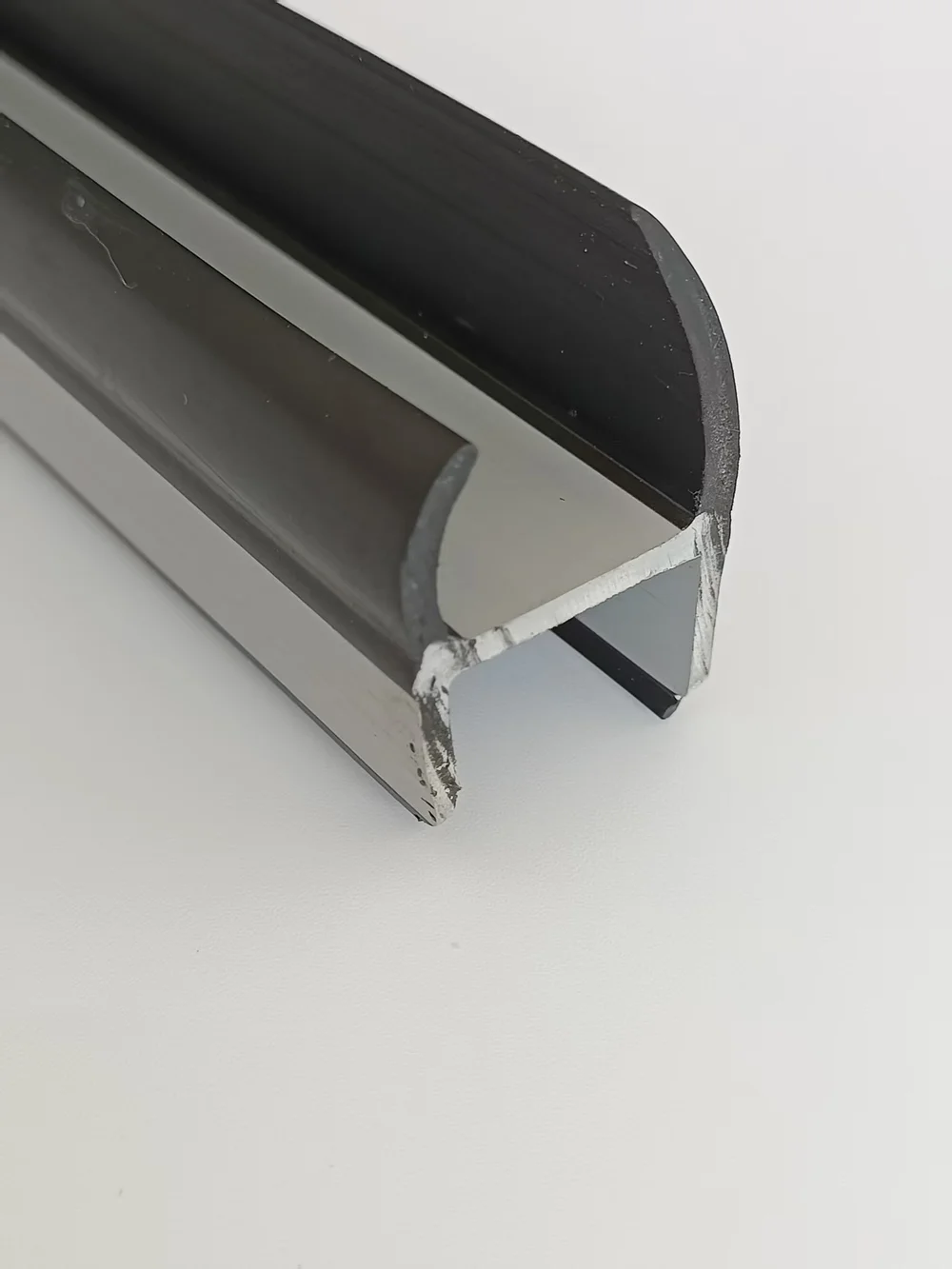
Black U-channel rubber profile for glass run, edge sealing and industrial use.
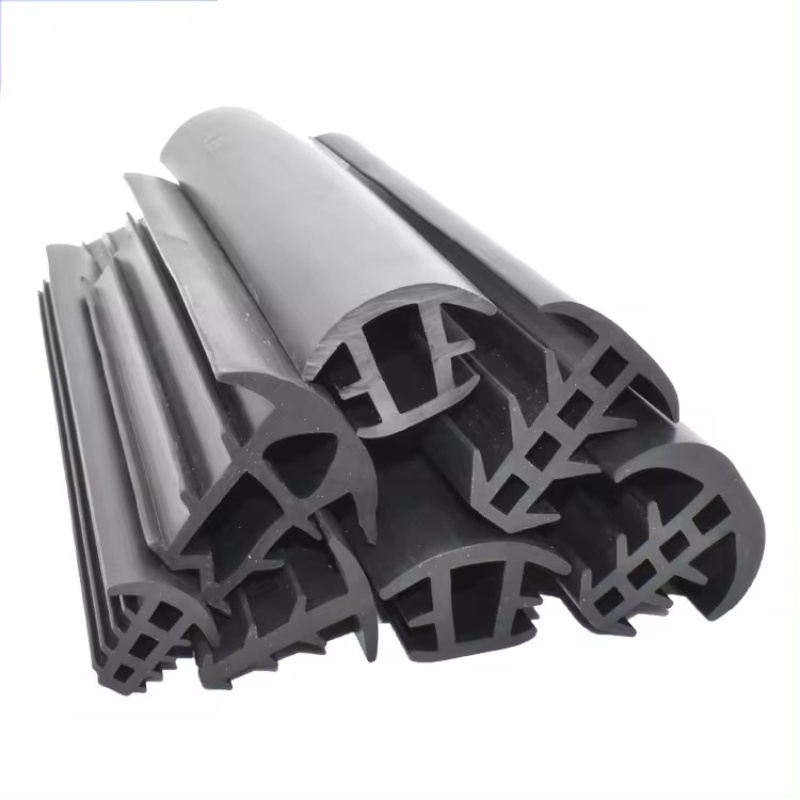
Stacked black rubber extrusion profiles for custom sealing applications.
Dedicated product pages with application guidance, specification references, profile availability and project-specific customization options.
Compare solid and sponge EPDM profile options, prepare the key RFQ dimensions and send your drawing for a focused application review.
View EPDM Sealing Strip Manufacturer