Drawing-based EPDM profiles for curtain walls, glazing, facades and expansion joints, selected around joint movement, compression, retention and environmental exposure.
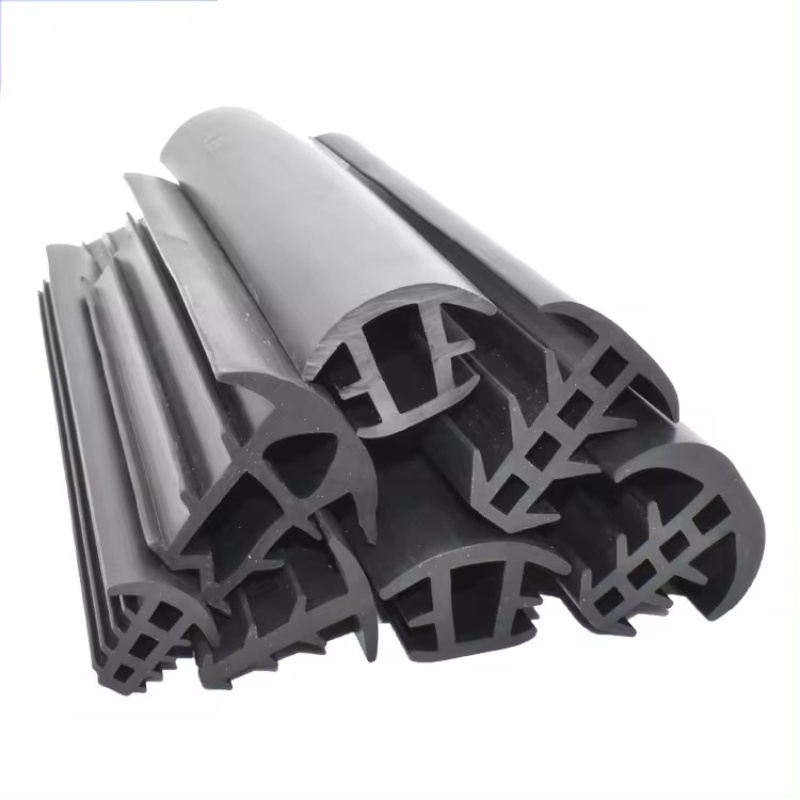
Start with the joint—not the material name alone. Record the minimum and maximum gap, movement direction, required contact or compression, retaining channel or flange, exposure and installation method. Then select dense or sponge construction EPDM and the profile geometry against those inputs. Send a dimensioned section and mating-part details; use the custom seal measurement guide to prepare them.
| Material | High-grade EPDM (Dense & Sponge) / Silicone / TPV |
| Hardness | Dense EPDM: 50 to 80 Shore A; Sponge EPDM: 0.5-0.7 g/cm³ |
| Tensile Strength | Project-specific value to be confirmed by compound and test method |
| Color | Black, Grey, custom colored building profiles |
| Weathering | Grade and test requirements confirmed for the service environment |
| Service Life | Service life depends on compound, joint design, exposure, installation and maintenance |
EPDM grade and validation requirements can be selected for the project’s temperature, weather and exposure conditions.
Profile geometry and compound resilience are reviewed against the expected joint movement and compression range.
We manufacture extra-large, complex, or co-extruded dense/sponge rubber geometries per engineering drawings.
Tensile, tear and elongation requirements should be defined and verified for the selected compound and joint design.
Expected service life cannot be assigned from material name alone. It depends on the selected compound, joint design, exposure, installation quality and maintenance; project-specific aging or weathering requirements should be agreed before production.
Yes. We can supply dense rubber in hardnesses ranging from 50 to 80 Shore A, or sponge rubber in various densities to match your specific compression force and sealing requirements.
Available material and test documentation is confirmed for each project. Send the required standard, test method and acceptance criteria so the applicable report scope can be reviewed before ordering.
Examples of related edge trim, extrusion and weatherstrip profiles for comparison.
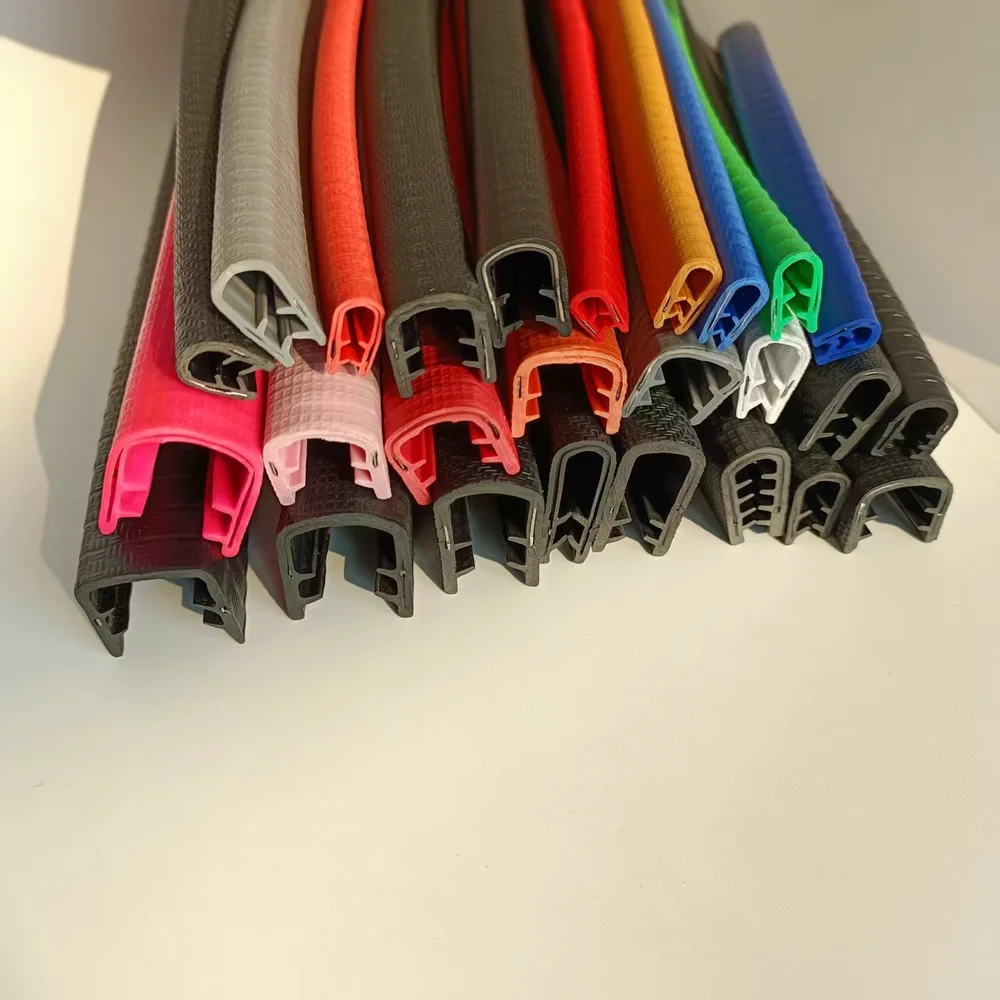
Flexible edge protection strips for automotive, equipment and cabinet applications.
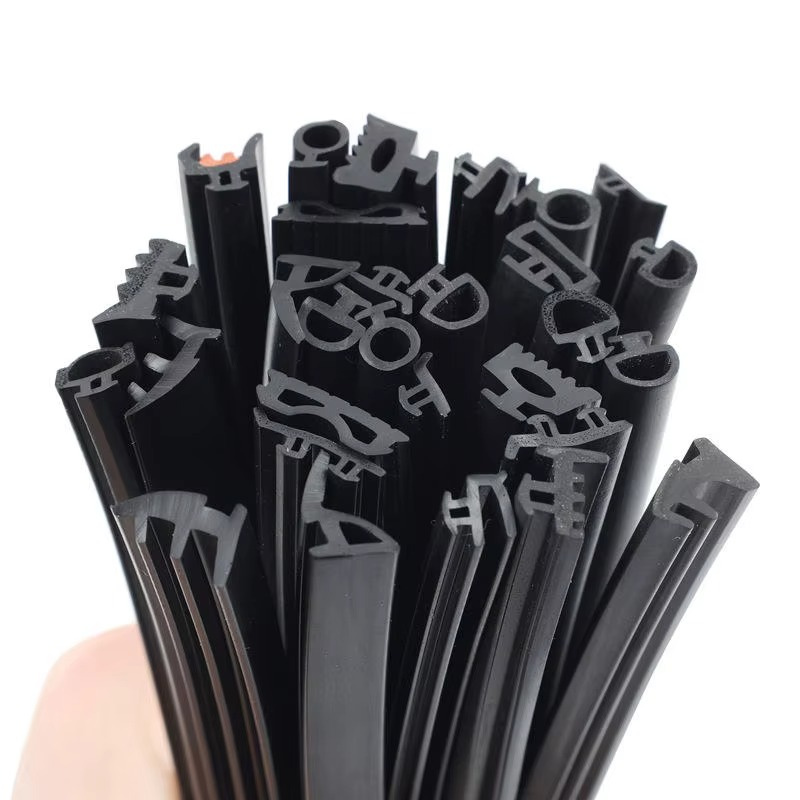
Section-based extrusion solutions for sealing, protection and cushioning functions.
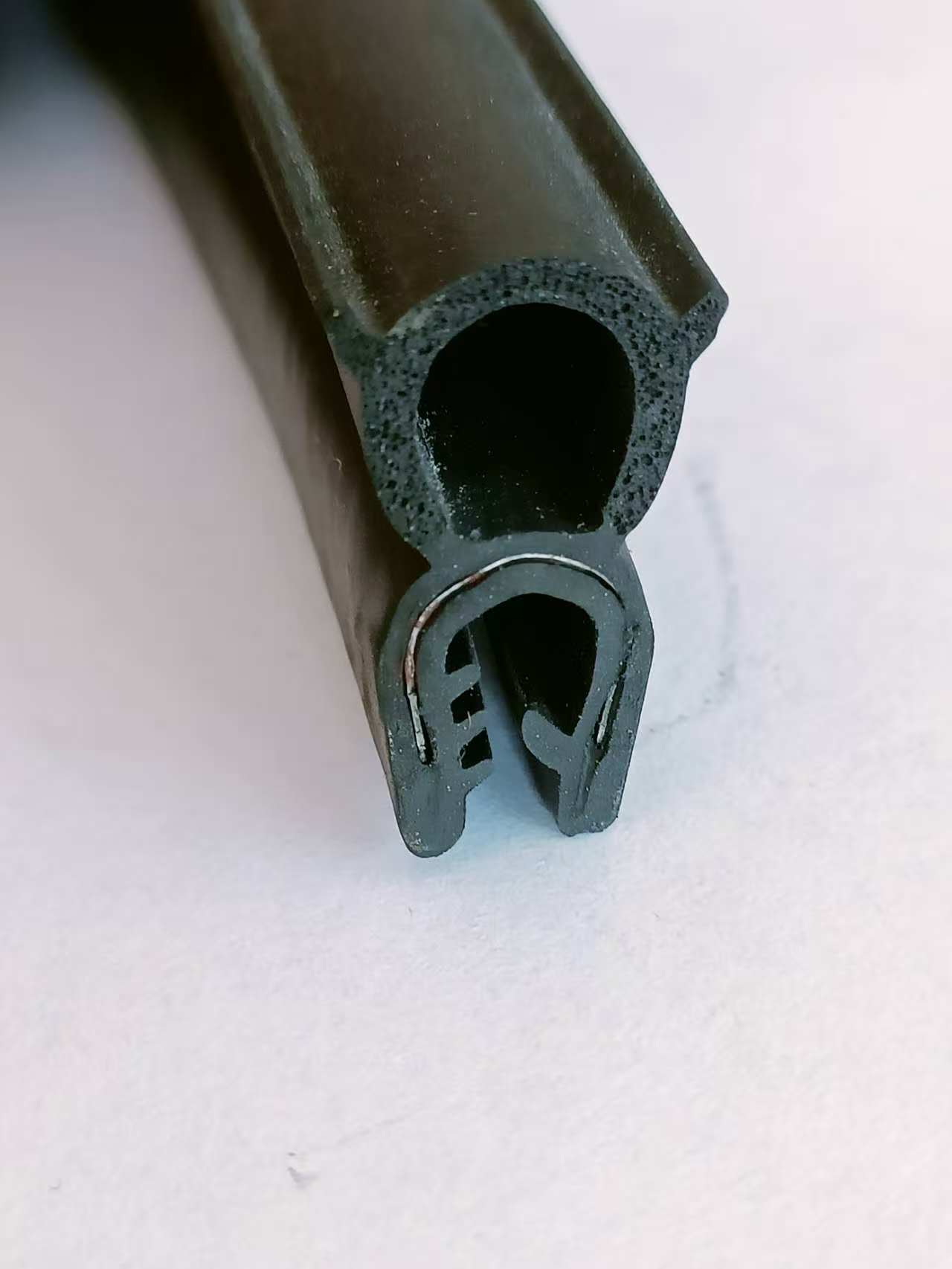
Vehicle sealing systems for doors, trunks, hoods and glass channels.