
Automotive Weatherstrip Manufacturer for Car Door & Body Seals
A buyer-focused guide to OEM EPDM automotive weatherstrips for car doors, trunks, hoods, glass channels and body openings, developed from drawings, samples and mating-part requirements.
Send a drawing, sample photo, dimensions and estimated quantity for review. Tooling feasibility, validation scope, freight and delivery terms are confirmed after reviewing your requirements.
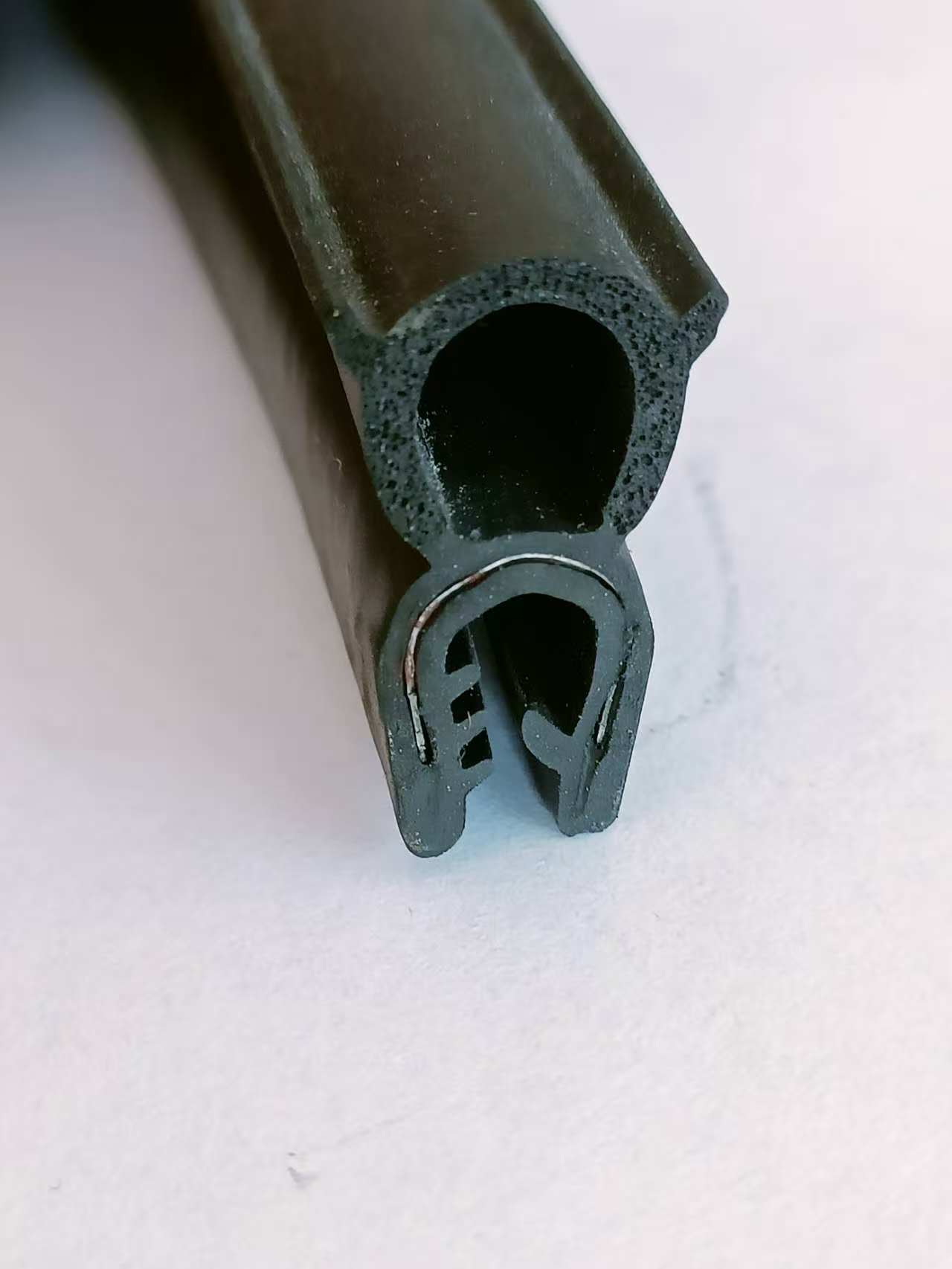
What Does an Automotive Weatherstrip Manufacturer Provide?
An automotive weatherstrip manufacturer develops sealing profiles around the vehicle opening, mating flange, working gap, retention method and validation requirements.
Onaseal supports B2B buyers, distributors and equipment manufacturers with drawing-based or sample-based profile development. The correct solution is selected from the mating geometry, operating gap, installation method, material exposure and order requirements—not from appearance alone.
For a dependable quotation, provide the cross-section, critical dimensions, material preference, color, required length, annual quantity and application photos. Trial samples should be fitted to the real assembly before mass production.
Read the related technical selection guide →| Applications | Door openings, trunk, hood, glass channel and body joints |
|---|---|
| Construction | Sponge/dense EPDM, clip-on carrier, bulb and multi-material profiles |
| Options | Flocking, slip coating, steel carrier, molded or joined corners |
| Buyer inputs | Vehicle position, flange/gap dimensions, drawing/sample and annual volume |
What Automotive Weatherstrip Buyers Evaluate
Procurement decisions are driven by vehicle position, sealing performance, profile construction, validation needs and production readiness—not only unit price.
Application Fit
Door, trunk, hood and glass-channel positions require different flange grip, bulb compression and surface treatments.
Material & Construction
Dense or sponge EPDM, metal carriers, flocking and slip coatings are selected around geometry and operating conditions.
Validation
Samples should be checked for installation force, compression, water management, wind noise and service durability.
Supply Readiness
Buyers compare tooling, sample lead time, annual volume support, cut lengths, joined frames and vehicle-set packaging.
Vehicle Position, Profile Construction and Validation Focus
| Vehicle position | Typical profile features to evaluate | Assembly checks |
|---|---|---|
| Door opening / body seal | Sponge bulb, dense foot, clip-on carrier, coating or flocking | Flange grip, closing effort, compression, water path and wind noise |
| Door-mounted auxiliary seal | Adhesive or mechanically retained sponge profile | Substrate preparation, adhesive location, corner routing and contact continuity |
| Trunk or tailgate opening | Carrier-supported bulb or lip profile with joints/corners | Water management, compression around the full opening and luggage-clearance points |
| Hood seal | Bulb, lip or edge-mounted section | Heat exposure, retention, under-hood clearance and vibration contact |
| Glass run / beltline area | Low-friction surface, flocking or multi-material construction | Glass movement, insertion force, noise, scratching and water control |
What Onaseal Can Customize
Cross-Section Development
Review from CAD drawings, dimensions, samples and mating-part geometry.
Material & Compound
Material selection based on compression, weather, abrasion and service environment.
Secondary Processing
Adhesive, coating, flocking, cutting, joining and application-specific finishing.
OEM Packaging
Coils, reels, cut lengths, sets, labels and export packaging for B2B supply.
Compare Relevant Sealing Solutions
Premium Car Door Weatherstrip
View specifications, applications and sample information.
Automotive Weatherstrip Solutions
View specifications, applications and sample information.
Custom Rubber Profiles
View specifications, applications and sample information.
Automotive Sealing by Vehicle Location
Compare door, window, trunk, hood and body-opening requirements before profile development.
Define Acceptance Criteria Before Tooling and Sampling
| Validation area | What to define | Evidence or reference |
|---|---|---|
| Geometry | Critical section dimensions, tolerances and measurement condition | Controlled drawing and approved section sample |
| Material | Compound designation, hardness/density and required property tests | Project specification and agreed material documents |
| Retention and fit | Flange grip, insertion force, pull-off or adhesive-bond expectation | Mating-part fixture or actual vehicle assembly |
| Sealing function | Compression range, water path, closing effort and noise targets | Buyer-defined assembly or vehicle validation plan |
| Finished part | Cut length, joints/corners, appearance, labels and packing | Approved sample and purchase specification |
Standards context: ASTM D2000 classifies vulcanized rubber materials for automotive and other applications, while ISO 3302-1 provides dimensional-tolerance classes for solid rubber products including extrusions. Neither standard replaces vehicle-specific fit, water, noise or durability validation.
Four-Step OEM Cooperation
- Send a drawing, sample, photos and application requirements.
- Confirm section, material, dimensions, tolerances and commercial quantity.
- Confirm the tooling plan, produce trial parts where required, then approve fit and agreed performance checks before batch release.
- Proceed with batch production, inspection, packaging and export delivery.
Get an Engineering Review
Include these details for a useful quotation:
- Cross-section drawing or clear end-view photo
- Critical dimensions and mating gap
- Material, color and installation method
- Length, quantity and packaging request
Buyer Questions
A vehicle-specific profile can be evaluated after reviewing the installation position, mating flange, gap, sample or drawing, annual volume and validation requirements. Feasibility and tooling are confirmed for the project.
EPDM is commonly evaluated for exterior automotive weatherstrips, but the compound, solid/sponge construction and required weathering tests must be confirmed for the vehicle program.
Cut lengths, joined frames and vehicle-set packaging can be evaluated for OEM programs.
How We Control Custom Profile Production
Review the RFQ inputs, sample approval steps, production checkpoints and export packing requirements used for custom sealing projects.
Prepare a Complete Sealing Profile RFQ
Use the fillable English PDF to organize dimensions, materials, quantity, sample, inspection and packing requirements before contacting our team.
Explore Other Custom Sealing Solutions
Compare complementary sealing technologies for multi-product OEM and distributor sourcing programs.
Refrigerated Truck Door Seals
Retainer, lip and channel-fit profiles for insulated cold-chain doors.
Self-Adhesive Foam Seals
D, P, E, I and custom adhesive-backed foam weatherstrips.
PVC Edge Trims
Metal-reinforced clip-on trims for panels, cabinets and machinery.
Brush Seals
Custom wool pile height, density, backing and roll configurations.