Application-led selection of EPDM, TPE and TPV automotive weatherstrips for vehicle doors, windows, trunks, hoods, glass runs and body openings.
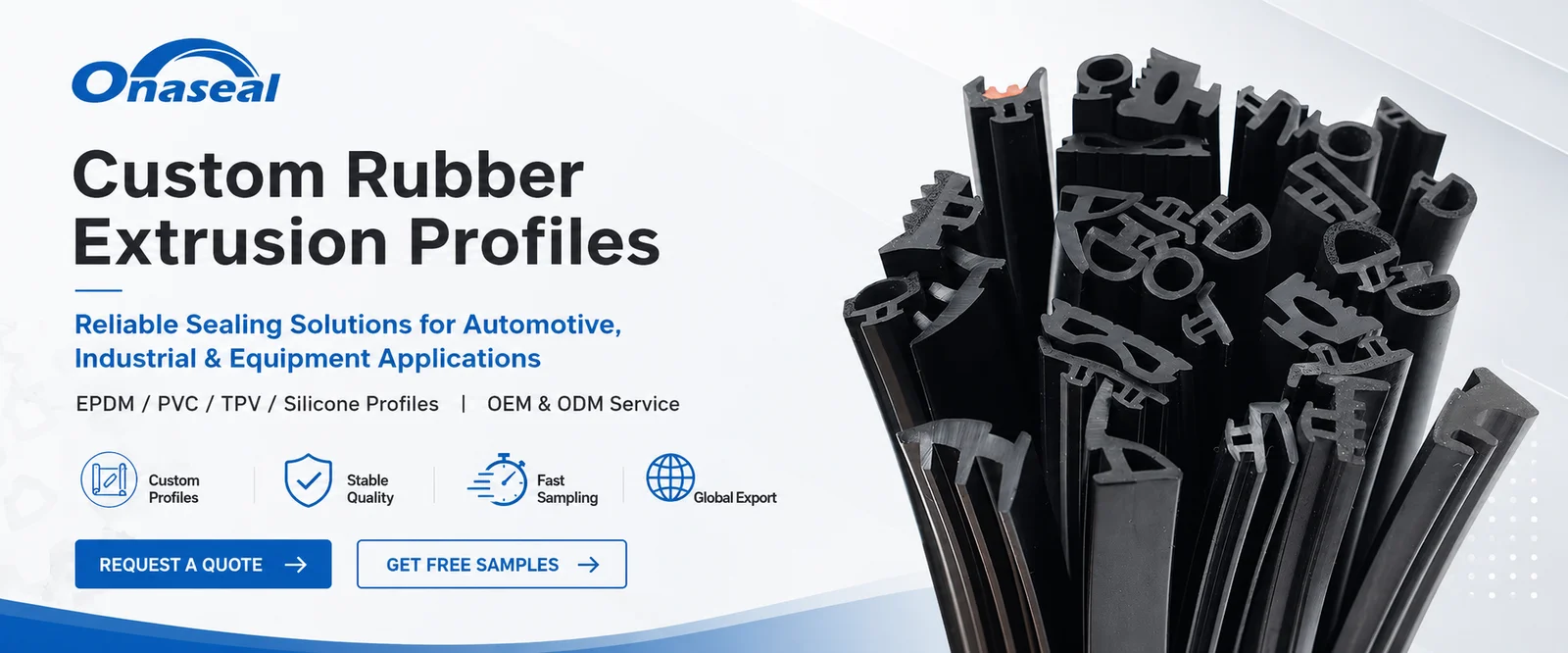
Start with the body opening and seal path. Record the finished flange or channel dimensions, minimum and maximum gap, bulb contact, door movement, corner radii, joint locations and required retention. Then define material, carrier, surface treatment and project test methods. Use the car-door weatherstrip selection guide to organize the inputs before requesting a profile review.
| Material | EPDM Sponge & Solid Rubber Co-extrusion |
| Core Type | Embedded Steel Segment / Wire Carrier / Metal Clip |
| Color | Black, custom colors available |
| Profile | Bulb seals, U-channel edge trims, lip seals |
| Hardness | Project-specific by solid/sponge zone, closing-force target, drawing and agreed test method |
| Standards | Project-specific quality and documentation review |
Match the seal to its mounting area before comparing profile geometry. The correct choice depends on the body interface, movement path, compression range and environmental exposure.
| Vehicle location | Typical sealing profile | Key inputs to confirm |
|---|---|---|
| Door opening and body flange | Clip-on bulb seal or co-extruded carrier weatherstrip | Flange thickness, bulb contact, bend radius and pull-off retention |
| Window and glass run | Flocked channel, glazing profile or low-friction weatherstrip | Glass thickness, sliding friction, channel dimensions and drainage |
| Trunk, tailgate and hood | Compression bulb, hollow profile or bonded seal | Gap range, closure force, water path and joint location |
| Custom body or equipment opening | Drawing-based EPDM, TPV or TPE extrusion | Section drawing, substrate, temperature, fluids and validation tests |
A solid attachment section and sponge bulb can be combined when the design requires separate retention and compression functions.
Segmented steel, wire or clip carriers should be selected against the finished flange range, bend path and required pull-off retention.
Specify the operating temperature, ozone, sunlight, fluids, cleaning agents and aging methods required by the vehicle program.
Define drawing revision, critical dimensions, inspection method, prototype stage and acceptance criteria before production approval.
A co-extruded section can combine a solid attachment channel with a compressible sponge bulb. Carrier geometry and grip range must be confirmed against the finished flange and required pull-off retention.
Automotive projects are reviewed against the buyer's drawing, material specification and requested test methods. Available compound and inspection documentation is confirmed before order.
CAD drawings and physical samples can be reviewed for profile development. Confirm the file format, drawing revision, critical dimensions, prototype scope and approval plan before tooling.
Automotive weatherstrip and complex extrusion section photos are displayed without changing the cross-section shapes.
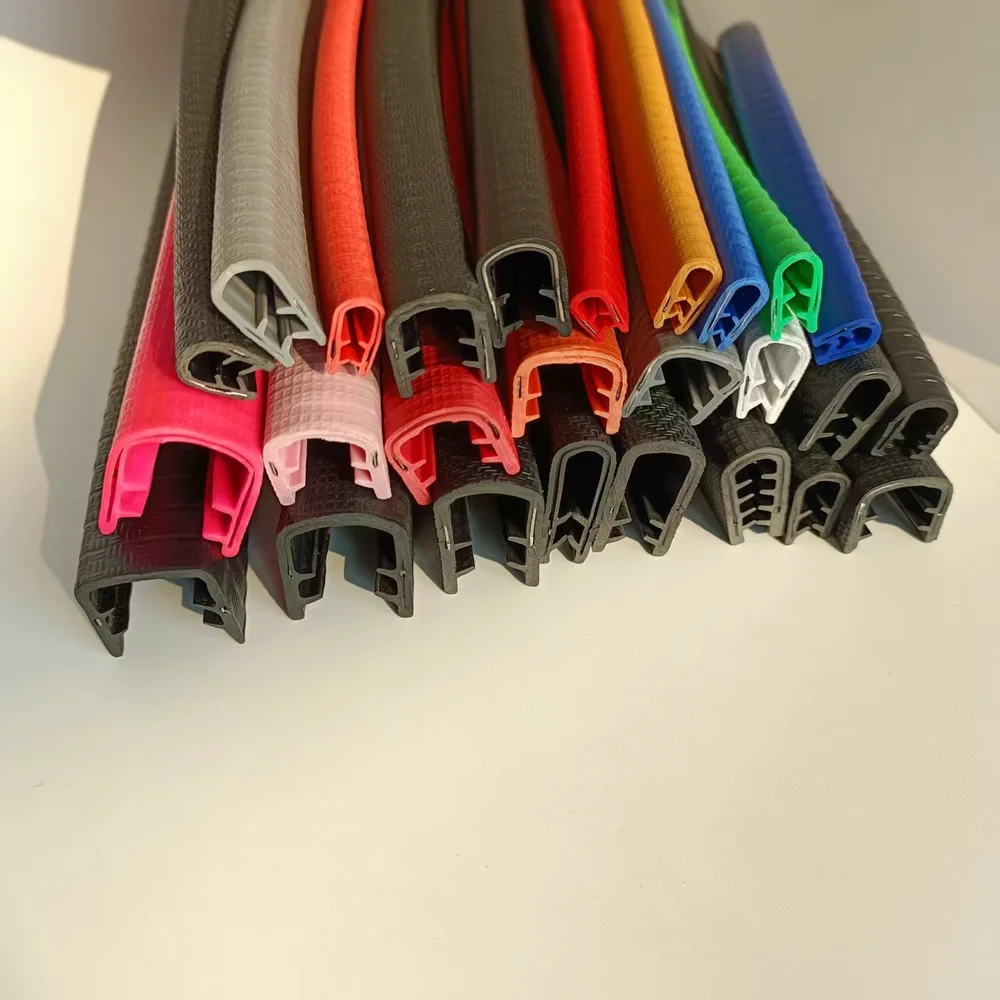
Flexible edge protection strips for automotive, equipment and cabinet applications.
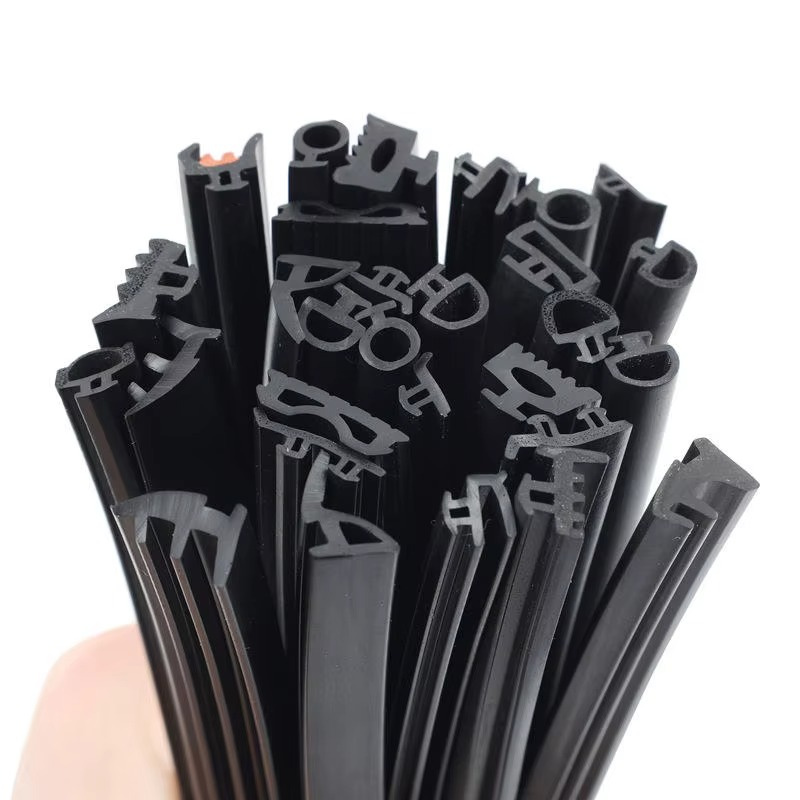
Section-based extrusion solutions for sealing, protection and cushioning functions.
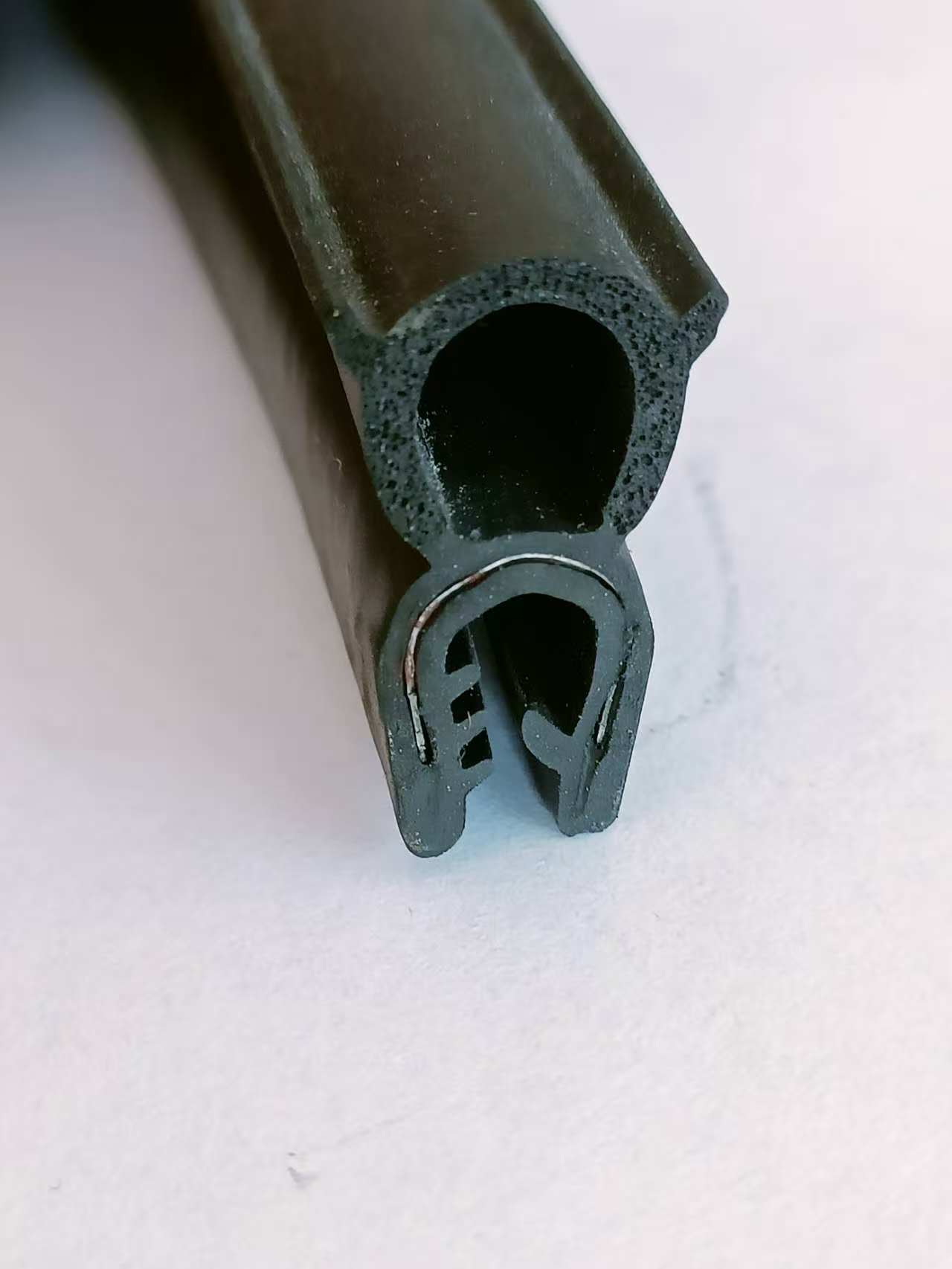
Vehicle sealing systems for doors, trunks, hoods and glass channels.