
Custom Brush Seal Manufacturer
Custom wool pile and self-adhesive brush seals for sliding doors, windows, wardrobes, machinery and dust control.
Send a drawing, sample photo, dimensions and estimated quantity for review. Sample availability, any sample charges, freight and delivery terms are confirmed after reviewing your requirements.
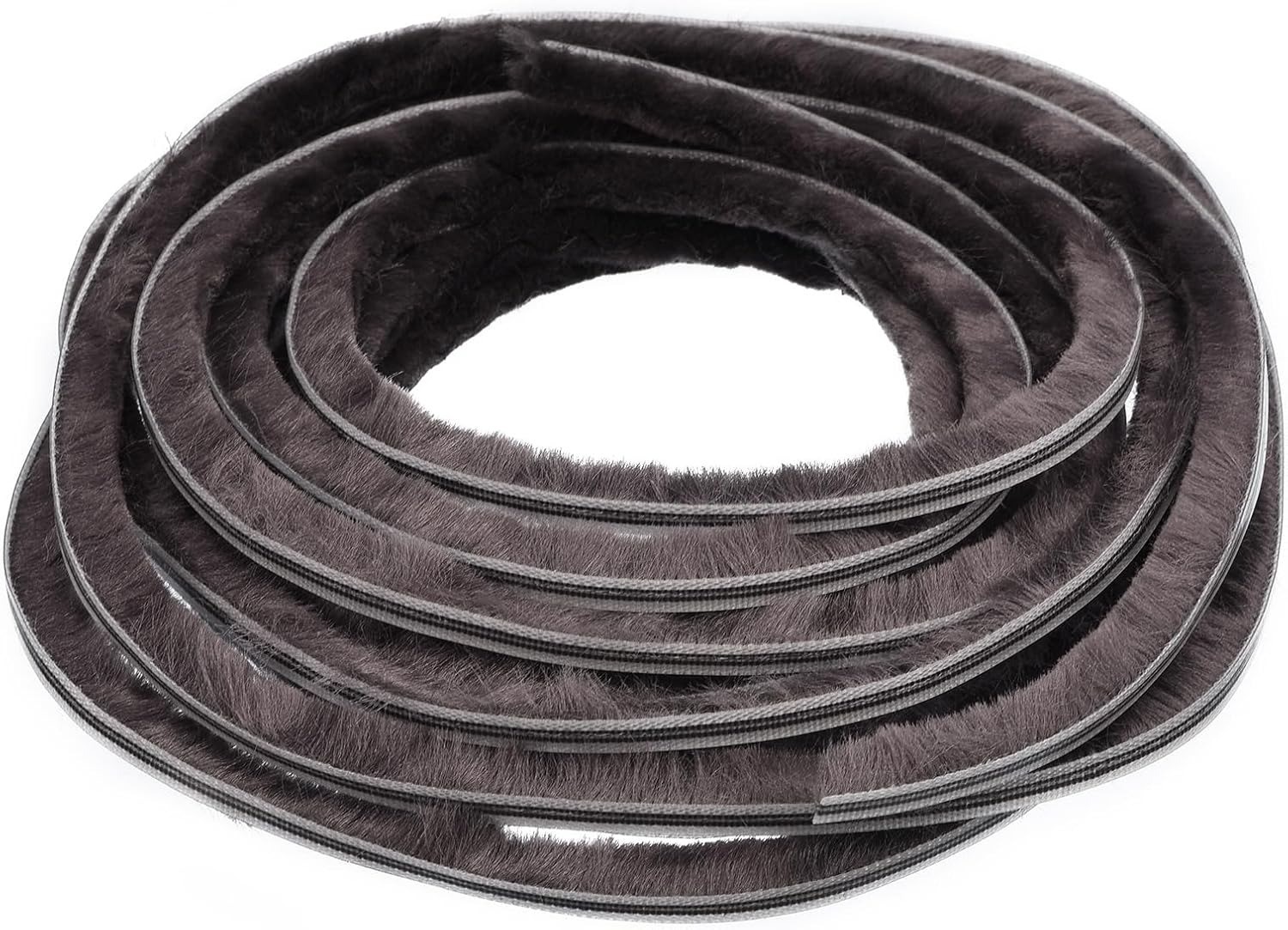
OEM Sealing Profiles Built Around Your Application
Onaseal supports B2B buyers, distributors and equipment manufacturers with drawing-based or sample-based profile development. The correct solution is selected from the mating geometry, operating gap, installation method, material exposure and order requirements—not from appearance alone.
For a dependable quotation, provide the cross-section, critical dimensions, material preference, color, required length, annual quantity and application photos. Trial samples should be fitted to the real assembly before mass production.
Read the related technical selection guide →| Formats | Channel-insert pile, fin pile and self-adhesive brush roll |
|---|---|
| Applications | Sliding systems, wardrobes, screens, machinery and enclosure gaps |
| Specify | Pile height, base width, density, color, backing and roll length |
| Functions | Dust, draft, light, debris and insect-gap control |
How to Specify Brush Seal Pile Height and Contact
| Input | What to measure or define | Why it matters |
|---|---|---|
| Operating gap | Minimum and maximum gap across the complete travel path | Defines the contact range the fibers must cover |
| Pile height | Distance from the top of the backing/base to the free fiber tips | Must provide continuous contact without excessive deflection |
| Working interference | Difference between free pile height and the installed gap | Influences sealing contact, fiber bending and operating drag |
| Base or backing | Base width/thickness, channel size or adhesive mounting width | Controls retention and fit in the mounting feature |
| Pile construction | Fiber material, density, fin option, color and required recovery | Affects light/dust control, stiffness, appearance and friction |
| Motion | Sliding direction, speed, cycle frequency and allowable force | Determines whether contact produces acceptable resistance and wear |
What Onaseal Can Customize
Pile Height & Density
Review the working gap, intended interference, barrier function and allowable sliding force.
Base & Backing
Match base width and thickness to the channel, or define the adhesive footprint and substrate.
Brush Construction
Specify fiber color, density, fin option, recovery and environmental exposure requirements.
Roll & Packaging Format
Confirm reel or roll length, cut pieces, labels, carton quantity and export packaging.
Compare Relevant Sealing Solutions
Brush Seal Sample Approval Checklist
| Check | Acceptance question | Recommended test condition |
|---|---|---|
| Continuous contact | Do fibers contact the mating surface through the full gap and travel range? | Minimum/maximum gaps and actual corners or transitions |
| Operating force | Does the door, window or mechanism move within the buyer's force limit? | Complete moving assembly, not an isolated short sample |
| Recovery and wear | Do fibers recover after cycling without unacceptable flattening or shedding? | Buyer-defined cycle count and service direction |
| Dust, draft or light control | Does the selected density and contact meet the required barrier function? | Application-specific functional test |
| Mounting retention | Does the base remain seated or bonded during motion and handling? | Actual channel/substrate and installation method |
| Environment | Are moisture, temperature, UV and cleaning exposure acceptable? | Declared service conditions and material review |
A brush seal is a permeable contact barrier. It is commonly used for dust, drafts, light and debris control, but it should not be presented as a watertight substitute for a purpose-designed rubber or foam compression seal.
Four-Step OEM Cooperation
- Send a drawing, sample, photos and application requirements.
- Confirm section, material, dimensions, tolerances and commercial quantity.
- Approve tooling and trial samples after fit and performance checks.
- Proceed with batch production, inspection, packaging and export delivery.
Get an Engineering Review
Include these details for a useful quotation:
- Minimum/maximum operating gap and travel path
- Pile height, base width/thickness and mounting channel
- Fiber density/fin/color and required barrier function
- Sliding direction, cycle frequency and allowable operating force
- Adhesive or channel mounting, roll length, quantity and packing
Buyer Questions
Measure the minimum and maximum operating gap and maintain light continuous fiber contact without excessive drag.
Brush seals mainly control dust, drafts and debris. Water-tight applications typically require a rubber or foam seal.
Pile construction, color, base width, backing and packing can be discussed for OEM orders.
How We Control Custom Profile Production
Review the RFQ inputs, sample approval steps, production checkpoints and export packing requirements used for custom sealing projects.
Prepare a Complete Sealing Profile RFQ
Use the fillable English PDF to organize dimensions, materials, quantity, sample, inspection and packing requirements before contacting our team.
Explore Other Custom Sealing Solutions
Compare complementary sealing technologies for multi-product OEM and distributor sourcing programs.
Refrigerated Truck Door Seals
Retainer, lip and channel-fit profiles for insulated cold-chain doors.
Automotive Weatherstrips
Custom EPDM profiles for vehicle doors, trunks, glass and body openings.
Self-Adhesive Foam Seals
D, P, E, I and custom adhesive-backed foam weatherstrips.
PVC Edge Trims
Metal-reinforced clip-on trims for panels, cabinets and machinery.