
Refrigerated Truck Door Seal Manufacturer
Custom refrigerated truck and cold-storage door seals for insulated vehicle bodies, freezer doors and cold-chain equipment.
Send a drawing, sample photo, dimensions and estimated quantity for review. Sample availability, any sample charges, freight and delivery terms are confirmed after reviewing your requirements.
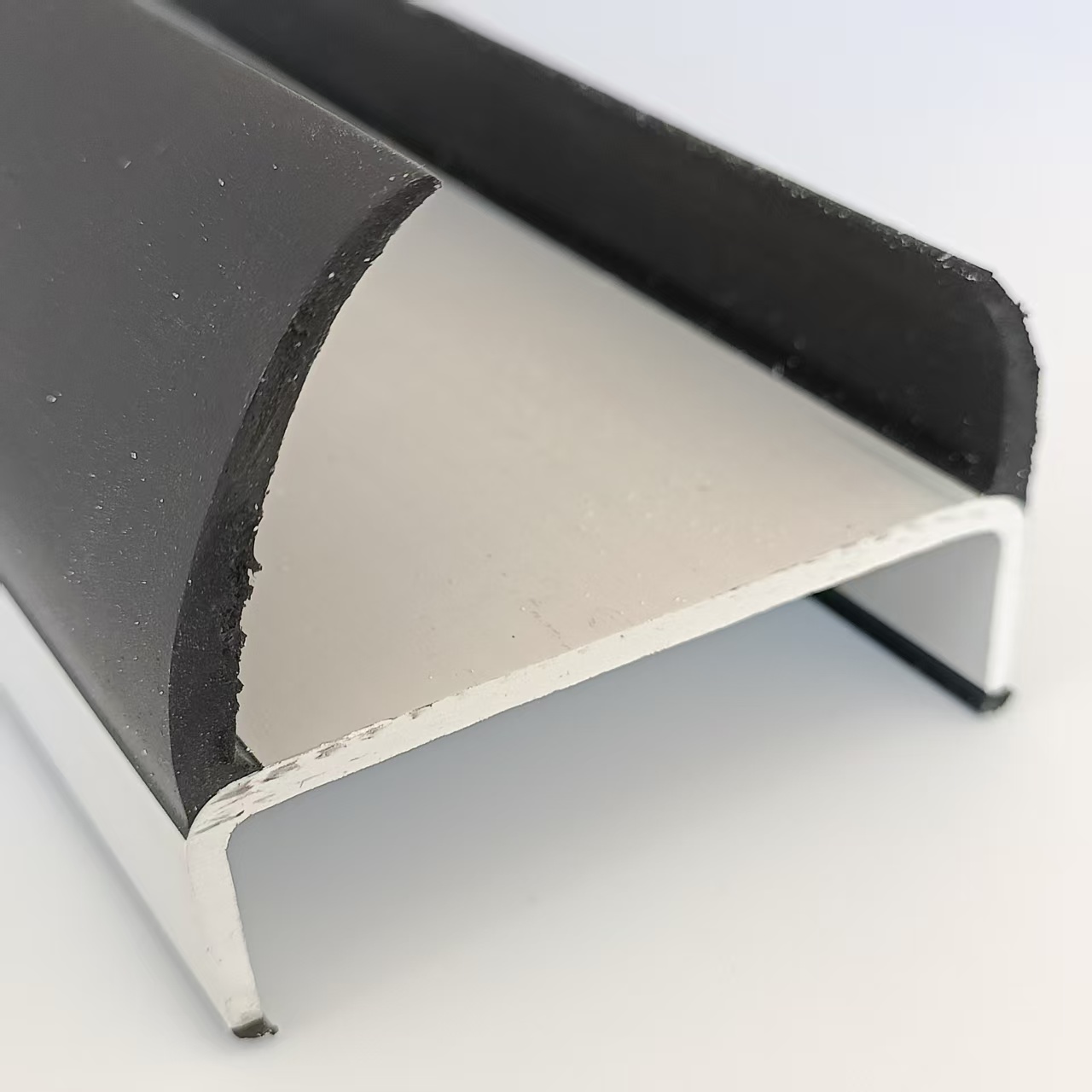
OEM Sealing Profiles Built Around Your Application
Onaseal supports B2B buyers, distributors and equipment manufacturers with drawing-based or sample-based profile development. The correct solution is selected from the mating geometry, operating gap, installation method, material exposure and order requirements—not from appearance alone.
For a dependable quotation, provide the cross-section, critical dimensions, material preference, color, required length, annual quantity and application photos. Trial samples should be fitted to the real assembly before mass production.
Read the related technical selection guide →| Applications | Refrigerated trucks, trailers, insulated bodies and cold-room doors |
|---|---|
| Profile styles | Retainer-mounted, dual-lip and channel-fit flexible seals |
| Selection input | Channel width, overall size, closing gap, corner detail and operating temperature |
| Supply options | Coils, cut lengths, profile sets and export packaging |
How to Specify a Refrigerated Truck Door Seal
| Input | What to measure or define | Why it matters |
|---|---|---|
| Retainer or mounting channel | Opening width, internal width/depth, lip shape and insertion direction | Controls how the profile mounts and remains retained |
| Closed-door gap | Minimum and maximum gap on all four sides and near hinges/latches | Defines the required lip or bulb contact range |
| Compression direction | Face compression, side wipe or combined movement during closing | Determines section orientation and lip geometry |
| Corner construction | Continuous bend, cut joint, welded/moulded corner or separate pieces | Affects contact continuity and installation length |
| Door hardware and alignment | Hinge/latch condition, panel flatness and local gap variation | A seal cannot compensate reliably for every alignment defect |
| Cold-chain environment | Continuous and peak temperatures, icing, washdown, UV and cleaning agents | Guides compound and validation requirements |
What Onaseal Can Customize
Cross-Section Development
Review from CAD drawings, dimensions, samples and mating-part geometry.
Material & Compound
Material selection based on compression, weather, abrasion and service environment.
Secondary Processing
Adhesive, coating, flocking, cutting, joining and application-specific finishing.
OEM Packaging
Coils, reels, cut lengths, sets, labels and export packaging for B2B supply.
Compare Relevant Sealing Solutions
Retainer-Mount Truck Door Seal
View specifications, applications and sample information.
Dual-Lip Refrigerated Door Seal
View specifications, applications and sample information.
57 mm Truck Door Seal
View specifications, applications and sample information.
27 mm Compact Door Seal
View specifications, applications and sample information.
Sample Approval Checks for Refrigerated Door Seals
| Check | Acceptance question | Test condition |
|---|---|---|
| Mounting fit | Does the foot insert and remain retained without profile damage? | Actual retainer/channel across dimensional variation |
| Contact continuity | Do lips or bulbs contact around sides, header, sill and corners? | Closed door at minimum and maximum measured gaps |
| Closing effort | Can hinges and latches close without excessive force or seal roll-over? | Complete door assembly at ambient and specified cold condition |
| Low-temperature flexibility | Does the selected compound retain required flexibility and recovery? | Buyer-defined minimum service temperature after conditioning |
| Leak management | Does the assembly meet the buyer's air, water or thermal-leak criterion? | Complete door-system test; profile inspection alone is insufficient |
| Service durability | Are icing, washdown, UV, cleaning and repeated door cycles acceptable? | Declared duty cycle and environmental validation plan |
Before approving a sample, use the sealing strip installation guide to plan retainer cleaning, measurement, cutting, corner fitting and final contact inspection on the actual refrigerated-door assembly.
Temperature context: Trelleborg's Material Selection Guide lists a typical EPDM sealing-profile range of −40 to +120 °C. This is comparative material guidance, not a guaranteed limit for every EPDM compound or finished door seal. The specified compound and complete refrigerated-door assembly must be validated at the project's actual minimum temperature.
Four-Step OEM Cooperation
- Send a drawing, sample, photos and application requirements.
- Confirm section, material, dimensions, tolerances and commercial quantity.
- Approve tooling and trial samples after fit and performance checks.
- Proceed with batch production, inspection, packaging and export delivery.
Get an Engineering Review
Include these details for a useful quotation:
- Retainer/channel cross-section and insertion direction
- Minimum/maximum closed gap around the complete door
- Compression/wiping direction and corner construction
- Continuous/peak temperature, icing and washdown exposure
- Door dimensions, cut/set lengths, quantity and packaging
Buyer Questions
Yes. Send a perpendicular cross-section photo, dimensions, retainer details and an uncompressed sample if available.
Channel or retainer width, overall profile width/height, lip length and the closed-door gap are essential.
Sample fitting is recommended before bulk production, especially for existing door systems.
How We Control Custom Profile Production
Review the RFQ inputs, sample approval steps, production checkpoints and export packing requirements used for custom sealing projects.
Prepare a Complete Sealing Profile RFQ
Use the fillable English PDF to organize dimensions, materials, quantity, sample, inspection and packing requirements before contacting our team.
Explore Other Custom Sealing Solutions
Compare complementary sealing technologies for multi-product OEM and distributor sourcing programs.
Automotive Weatherstrips
Custom EPDM profiles for vehicle doors, trunks, glass and body openings.
Self-Adhesive Foam Seals
D, P, E, I and custom adhesive-backed foam weatherstrips.
PVC Edge Trims
Metal-reinforced clip-on trims for panels, cabinets and machinery.
Brush Seals
Custom wool pile height, density, backing and roll configurations.